
Senior Scientist - X-ray Fluorescence Microscopy


Showing 21 - 40 of 141 results
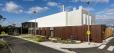
Frequently asked questions on the Mo-99 Manufacturing Facility and the ANSTO Nuclear Medicine project.
A long-standing collaboration led biomedical researchers from the University of Sydney has recently achieved success with the recent announcement of an innovative bone implant that significantly reduces rejection and inflammation.
ANSTO environmental scientists contribute to investigation of carbon capture in wetlands.
Blue Carbon Horizons Team showed coastal wetlands capture more carbon as sea levels rise
The final report on the safety of Building 23 by the independent expert review team has been completed.

The Australian Synchrotron has played a crucial role in the discovery of a new cancer drug for the treatment of leukaemia.
Researchers and industry partners from UNSW Australia, the Australian Centre for Nanomedicine, Children’s Cancer Institute and Inventia Life Sciences Pty Ltd have been awarded the 2021 ANSTO Eureka Prize for Innovative Use of Technology for their method to rapidly-produce 3D cell structures
After careful selection, three Australian science teachers are set to fly to Geneva today after winning positions on the International High School Teacher Programme at CERN.

Highlights of the Energy Materials Project.
ANSTO scientist, Dr Klaus Wilcken of the Centre for Accelerator Science, used cosmogenic nuclide dating to determine the ages of layered sand and gravel samples, in which seven footprints of the flightless bird, the moa, were found on the South Island in New Zealand in 2019.